
When “Premium” Stops Meaning “Built to Last”
Premium used to mean durable. So why do “high-end” appliances, laptops, software, and even furniture feel disposable now? Here’s what changed—and how to buy products that actually last.
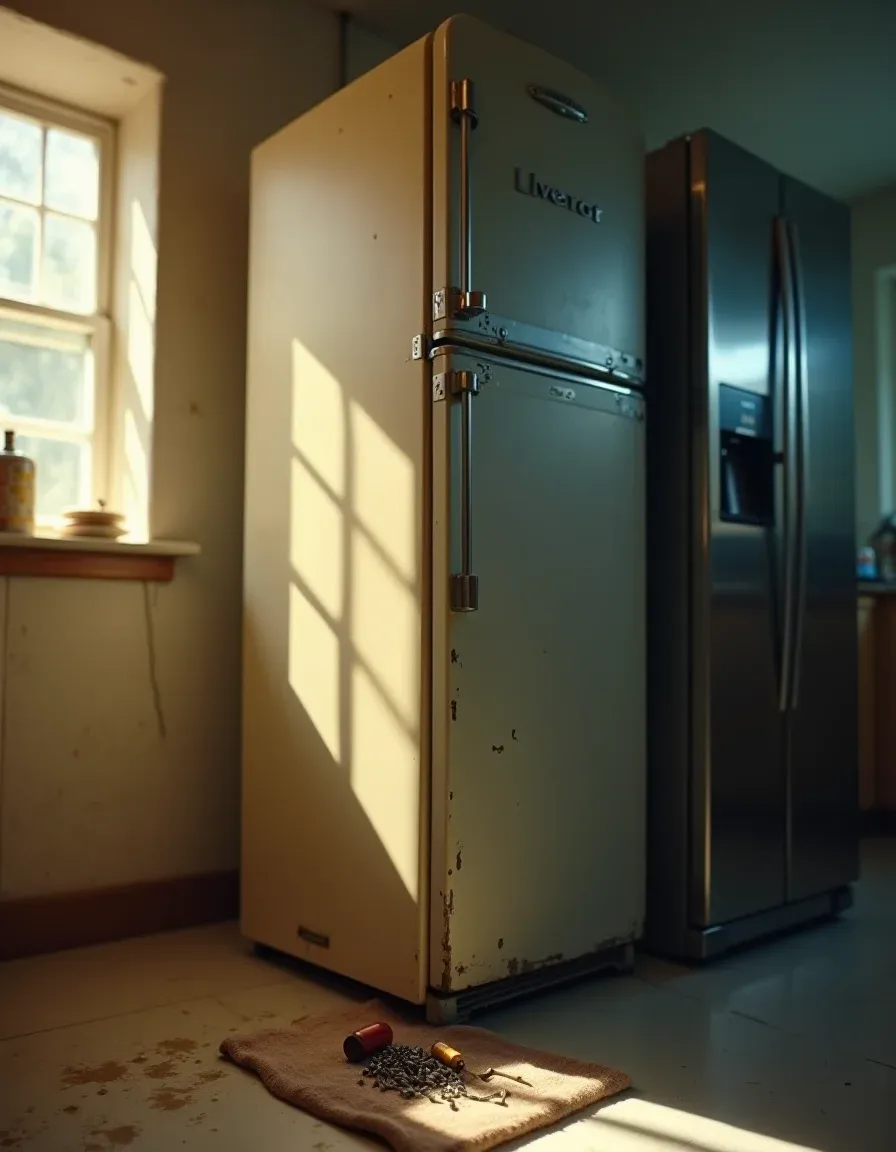
You know that one solid, slightly ugly appliance your parents own that simply refuses to die? The kind that’s survived multiple moves, a couple power outages, and decades of being slammed shut with groceries? Then you look at today’s “high-end” version—sleeker, pricier, full of features—and somehow it feels… fragile.
That frustration isn’t just nostalgia. A lot of people have noticed the same pattern: in several categories, durability has slid downhill even when you’re willing to pay top dollar. So what’s going on—and what can you do about it?
1) Appliances: more tech, more failure points
Big household appliances are the poster child for this. Fridges, dishwashers, washers—stuff that used to be boringly reliable now often feels like a 5–10 year commitment instead of a 20-year relationship.
One big idea keeps coming up: today’s appliances are packed with electronics. Extra sensors. Control boards. Touch panels. Ice makers with motors and solenoids. Wi‑Fi. All of that is convenient, but every added component is another possible breakdown. A basic top-freezer refrigerator from decades ago had fewer things to go wrong—and when something did go wrong, it was more likely to be mechanical and repairable.
There’s also the uncomfortable economics of planned obsolescence—the idea that some products are designed with a shorter useful life to encourage replacement buying. Wikipedia gives a straightforward overview of the concept here: https://en.wikipedia.org/wiki/Planned_obsolescence.
Practical takeaway: if you want longevity, consider “less smart, more simple.” And if you truly want premium, you may need to shop specialty appliance dealers, not big-box stores. Brands like Sub‑Zero exist firmly in the luxury tier (https://en.wikipedia.org/wiki/Sub-Zero_(company)), but they’re often not sitting under fluorescent lights next to the mass-market models.
2) Laptops and electronics: thin, sealed, and disposable
Premium laptops look gorgeous… right up until something wears out. Batteries glued in. Storage soldered on. RAM not upgradeable. Ports removed. The whole machine becomes “replace the whole thing” instead of “swap one part.”
This is why the right to repair movement keeps gaining momentum—pushing for owners to be able to fix what they bought, with access to parts, manuals, and tools. If you want context, Wikipedia’s overview is worth a skim: https://en.wikipedia.org/wiki/Right_to_repair.
Practical takeaway: when you buy tech, treat repairability like a feature. Look for models with replaceable batteries, accessible storage, and available parts. “Premium” shouldn’t mean “sealed shut.”
3) Software: the slow death of “I bought it once”
Software used to be: install the program, use it for years. Now it’s increasingly: pay monthly, log in, connect three services, manage permissions, update constantly, and hope your version matches the support article.
The subscription model isn’t inherently evil—it can fund ongoing development—but it often means you’re paying forever for something that may feel less stable and more fragmented than the old one-and-done tools. (For more background: https://en.wikipedia.org/wiki/Subscription_business_model.)
Practical takeaway: when possible, choose software with good export options and open file formats so you’re not trapped. And factor “maintenance overhead” into the real cost.
4) Clothing and furniture: cheap materials wearing a luxury mask
Clothes are a common complaint, and fast fashion gets a lot of the blame—not just for quality, but for environmental impact. Wikipedia’s summary is here: https://en.wikipedia.org/wiki/Fast_fashion.
Furniture is right behind it. Paying luxury prices for pieces made with MDF, veneer, and shortcuts can feel like a prank. (MDF itself is an engineered wood product—useful in the right context, but not the same as solid wood: https://en.wikipedia.org/wiki/Medium-density_fibreboard.)
Practical takeaway: learn to read labels like a detective. Fiber content. Construction method. Joinery. What’s solid wood vs veneer vs fiberboard. And don’t be afraid to buy used—yesterday’s well-made “boring” often beats today’s shiny “premium.”
So… is anything getting better?
Not everything is doom. Some people argue cars, for example, have improved dramatically in reliability in the last few decades—while others point out digitization may make long-term repairs harder as chips and modules age out.
The bigger pattern is this: modern products often optimize for features, appearance, and upfront price—not lifespan. If you want durability, you’ll have better luck buying simpler designs, prioritizing repairability, and shopping where “premium” still means “serviceable,” not just “expensive.”